

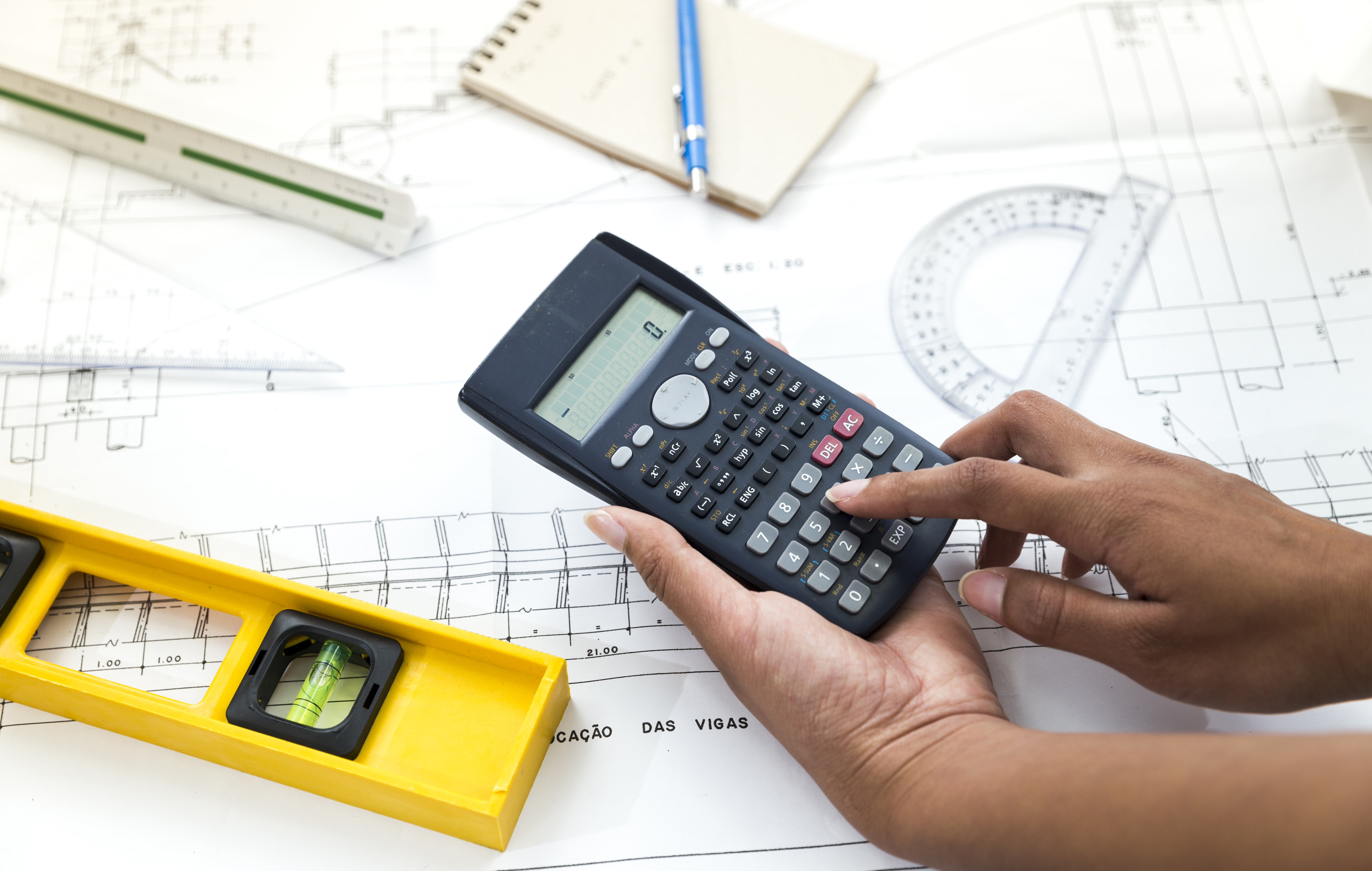

Ask most people how a construction cost estimate is put together and you’ll get a shrug, or a guess involving a calculator and a bit of experience. In reality, cost estimation is a structured process, and understanding how it actually works is one of the best things you can do before you commit to any construction project, big or small.
Whether you’re a client trying to make sense of a figure you’ve been quoted, or a contractor trying to get your own estimating process right, knowing what goes into a proper estimate changes how you read every number that comes across your desk from here on.
It Starts With Quantities, Not Guesswork
A reliable estimate always starts in the same place, with an accurate take-off of quantities from the drawings and specification. This means measuring exactly how much concrete, blockwork, steel, plasterboard, and every other material the project actually needs, based on what’s shown in the design documents.
This step matters more than almost anything else in the whole process. If the quantities are wrong, every number built on top of them is wrong too, no matter how accurate the individual rates are. A missed wall, an under-measured roof area, or a quantity pulled from an outdated drawing revision can throw the entire estimate off before a single rate has even been applied.
This is exactly why proper take-off is done using structured, traceable methods, so every quantity can be checked, verified, and updated quickly if the drawings change.
Applying Rates: Where Experience Actually Matters
Once the quantities are set, rates get applied to each item, covering materials, labour, plant, and the on-costs that go with running a site. This is where real market knowledge earns its keep. A rate that was accurate six months ago might already be out of date, particularly for materials with volatile pricing, and an estimator who’s actively tracking current market conditions will produce a far more reliable number than one working from an old rate sheet. It’s a core part of the pre-contract estimating work we carry out for clients at Swiftcore, where rates are checked against current market conditions rather than pulled from a static database.
Good estimators also build in realistic allowances for waste, access difficulties, and site-specific conditions, rather than applying a flat national average rate and hoping it holds. A rate that works perfectly for an easy-access suburban site can be completely wrong for a tight urban infill site or a rural location with limited access.
Preliminaries, Overheads, and Risk
A proper estimate doesn’t stop at materials and labour. Preliminaries, the costs of running the site itself, site management, welfare facilities, insurances, temporary services, need to be calculated specifically for the project, not lifted from a previous job and assumed to still apply.
On top of that sits an allowance for risk and contingency, sized to reflect the actual uncertainty in the project. A straightforward build on a known site with a settled design carries far less risk than a complex build on a difficult site with decisions still outstanding, and the estimate should reflect that difference honestly rather than applying the same blanket percentage to every job.
Why Two Estimates for the Same Project Can Look So Different
This is usually the point where clients get confused, and understandably so. Two estimators can look at the exact same drawings and come back with noticeably different numbers, and it’s rarely because one of them is simply wrong.
The difference usually comes down to what’s included, how current the rates are, how the risk has been assessed, and how thoroughly the quantities were actually measured rather than approximated. A quick, high-level estimate based on a cost-per-square-metre rule of thumb will always look different to a detailed estimate built from a full take-off, and it’s important to know which one you’re actually looking at before you make a decision based on it.
Why This Matters Before You Commit to Anything
An estimate isn’t just a number for the file. It’s the foundation for your budget, your funding application, your tender pricing, and every decision that follows. Get it wrong at this stage and every plan built on top of it inherits the same problem, usually without anyone noticing until the project is already underway.
This is exactly why bringing in a quantity surveyor early, before drawings are finalised and certainly before tenders go out, makes such a difference. A proper cost estimate, built from real quantities and current market rates, gives you a number you can actually plan around, not one you’ll have to quietly revise a few months in.
At Swiftcore, cost estimation is where we start on almost every project we work on, because getting this right early is what makes everything downstream, budgeting, tendering, cost control, actually work. If you want an estimate built on real numbers rather than a rule of thumb, get in touch with Swiftcore and we’ll help you get a figure you can trust from day one.